
Inside NCECA 2026: Reflections from studio member Ania Troszkiewicz
At Brick & Mortar Studio, we’re proud to have members attend NCECA each year who bring back inspiration, ideas, and a deeper connection to the broader ceramics community.
This year, studio member Ania Troszkiewicz shares her personal experience of the conference. Her reflections capture both the creative energy and the complexity of the moment, offering an honest, first-hand perspective. The views expressed below reflect her lived experience, and we’re grateful to her for sharing her story with our community.
I’m Ania Troszkiewicz, and I’m an artist at a community studio Brick and Mortar in SF. Studio’s owner Lindsay Landsdale sponsors the trip to NCECA every year for the teachers, and a bunch of us, artists, join on our own. We had 10 people coming this year! It’s great to have a bigger group of people sharing the excitement before the trip and once there, exchanging tips and plans. Between the packed panels, gallery walks, demos and evening popups NCECA is a reminder, why gathering of clay community matters so much. It’s an annual celebration of dirt, water and fire becoming something meaningful thanks to human creativity.
What is NCECA and why should you go? (If you know, skip it)
NCECA (pronounced: En-see-ka) is a ceramics conference, where around 6,000 artists and crafts people meet once a year face to face. It’s robust, and you need to be ready for a “choose your own adventure” experience. It’s held every year in a different city and lasts from Wednesday to mid Saturday usually at the end of March. It’s impossible to see everything even if you are a high energy and well-organized person. So just like in ceramics, let the unexpected lead you at least a bit. It’s good to be prepared with a schedule of your own priorities (use the NCECA app). Be open to quick changes of decisions. Meeting and taking to people will steer the flow. If you can bring a buddy and share a room booked from the NCECA website with discounted price, the whole trip becomes more affordable and fun!
NCECA is built on 4 pillars
The official daily schedule at a conference center with 100 of presenters. This means you choose one of many options at each segment of time.
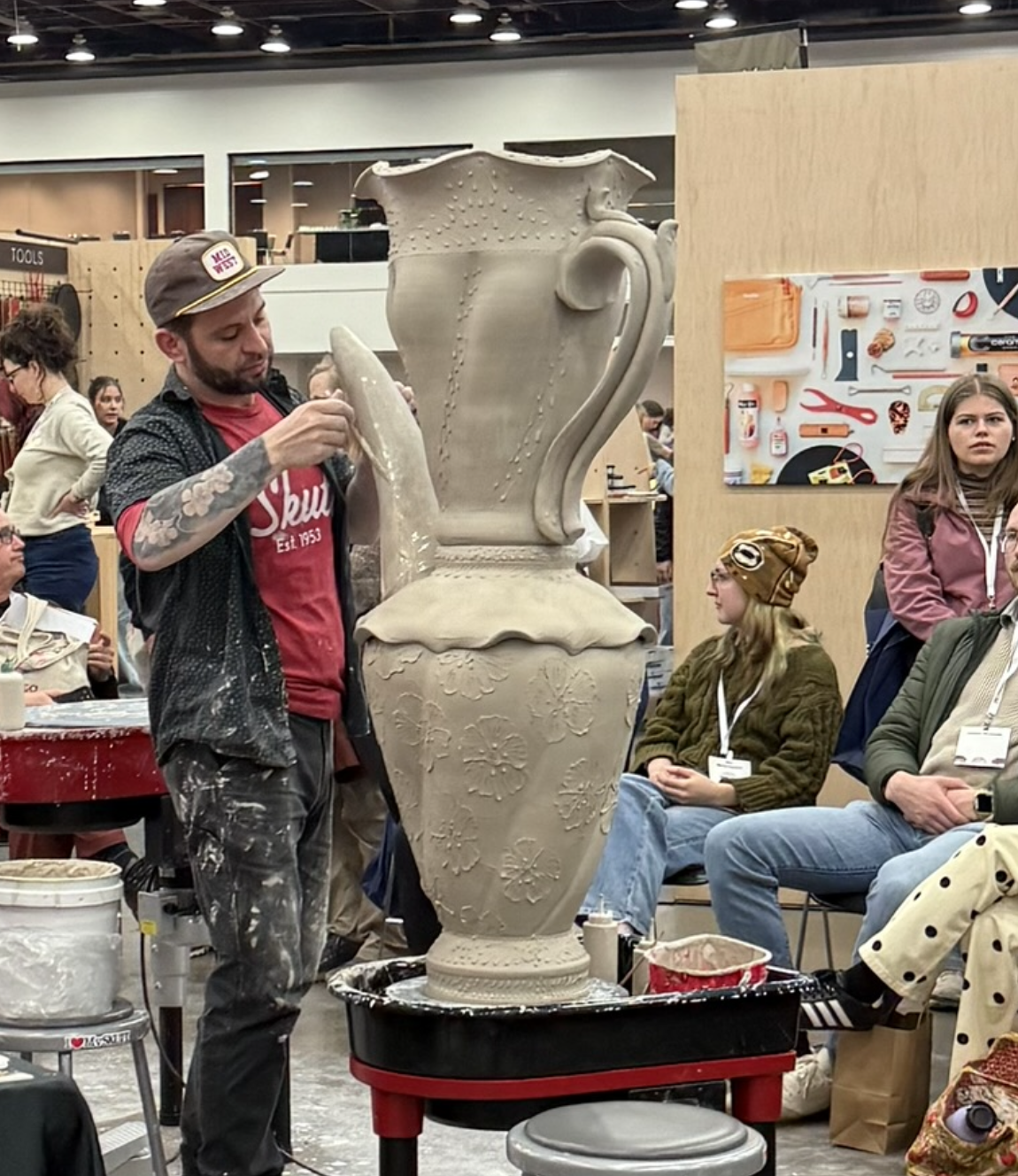
Expo in same building where the talks are held: of ceramics brands, tools, demonstrations and education opportunities. Tip: at a wrap up, they get rid of stock for a discounted price or sometimes they give things out for free.
Exhibitions at galleries all over city- this is where you can see the best ceramic art in real scale up close not on your Instagram feed. Worth going to as many as possible.
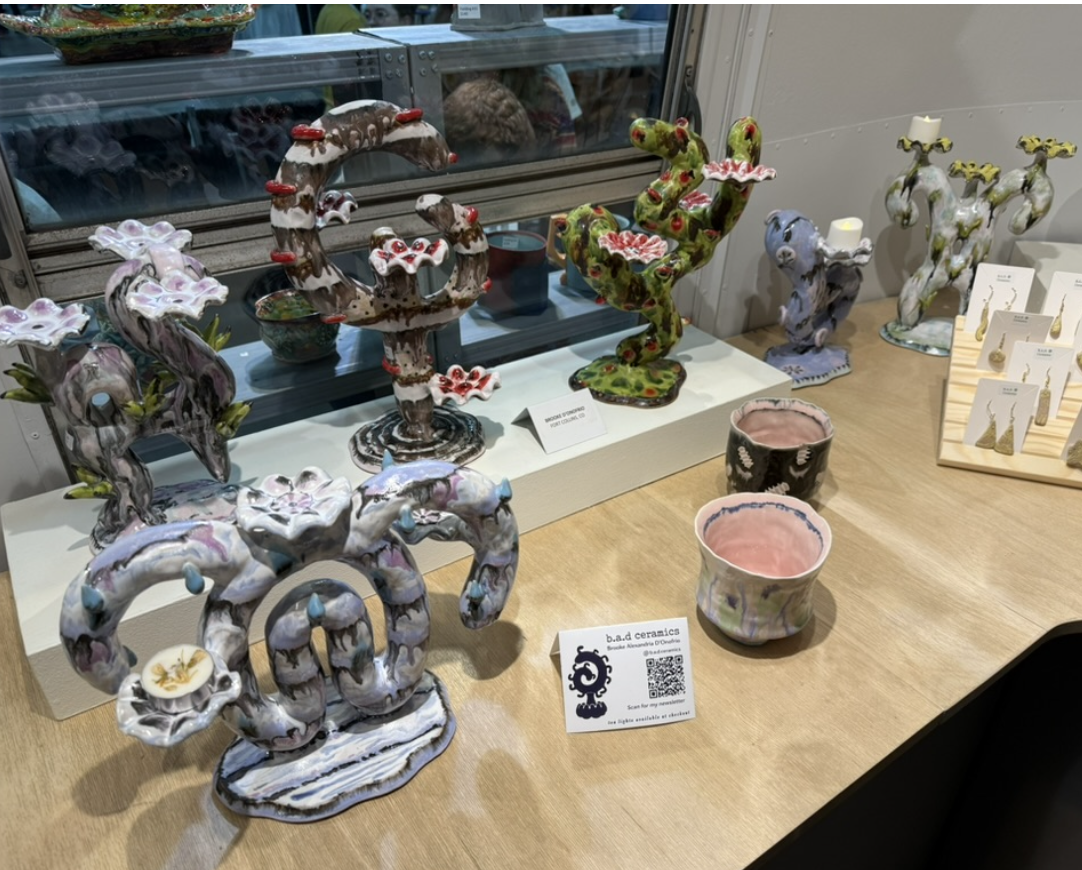
Popups at bars and breweries organized by independent groups like @potstars. Make sure you have a map of those events, since every evening several of them take place at different locations and each one is one night only. This is where you can meet, chat and buy a mug or jewelry from the makers.
Be flexible
In general, I would recommend sticking to a small group of 3 people or so when doing most things. Syncing with a bigger group can be challenging. I suggest reserving it for the popup at a brewery, the last you plan to visit that evening, without needing to rush somewhere else or dinner with reservation. If you don’t mind skipping some talks, then go explore the city and have great food! You can also buy ticket to the conference for a preferred day, if the whole thing feels like too much.
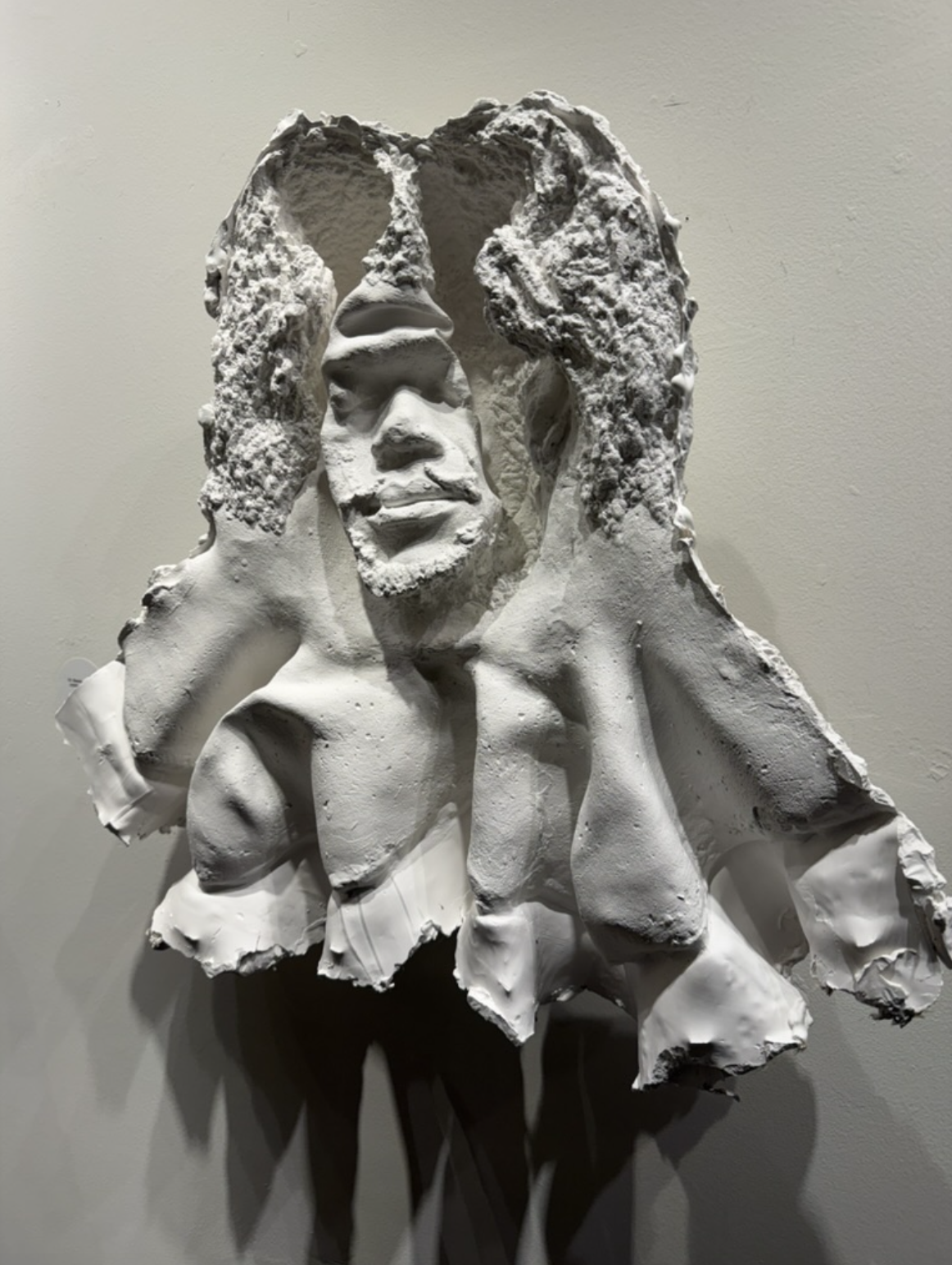
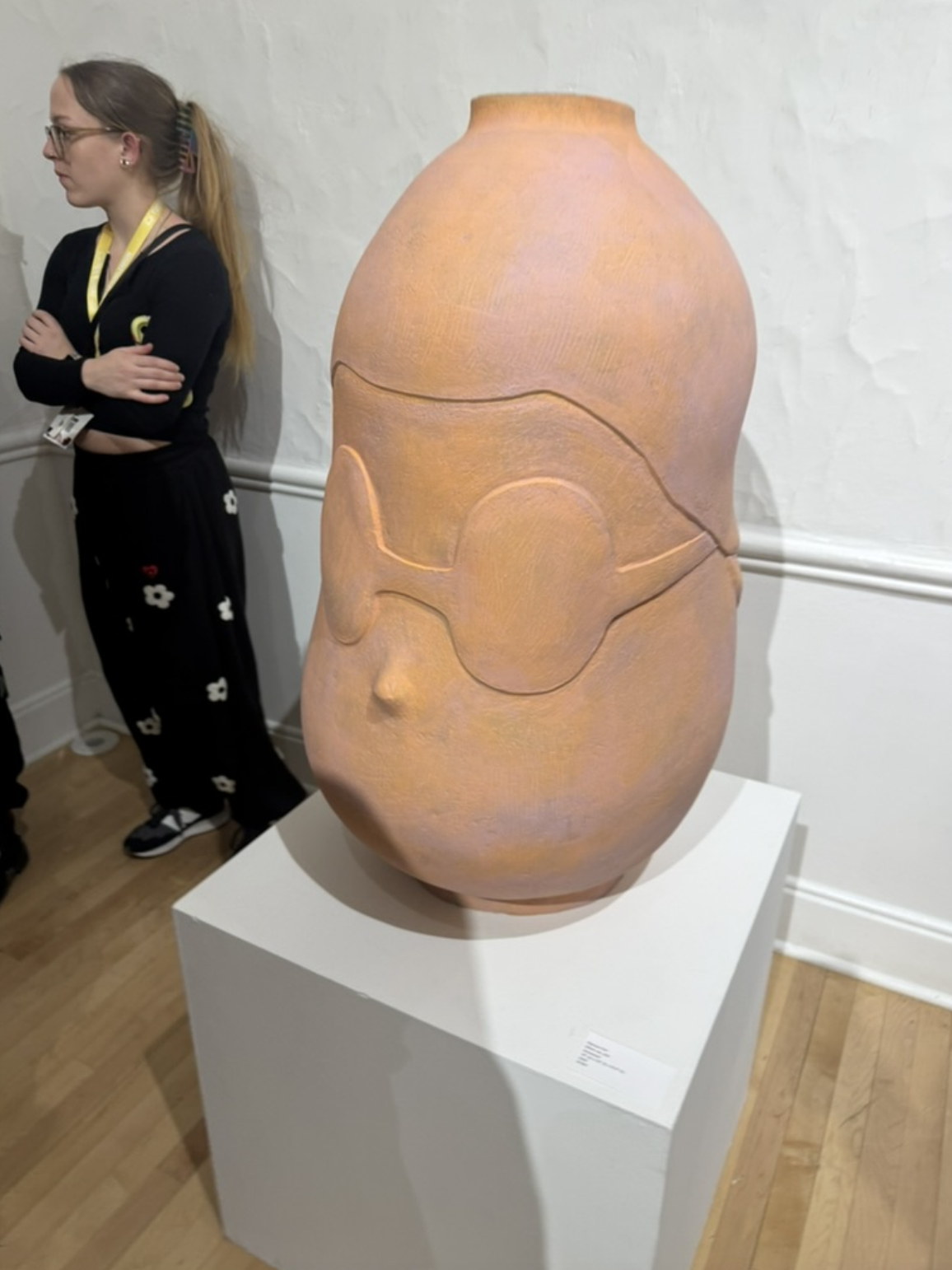
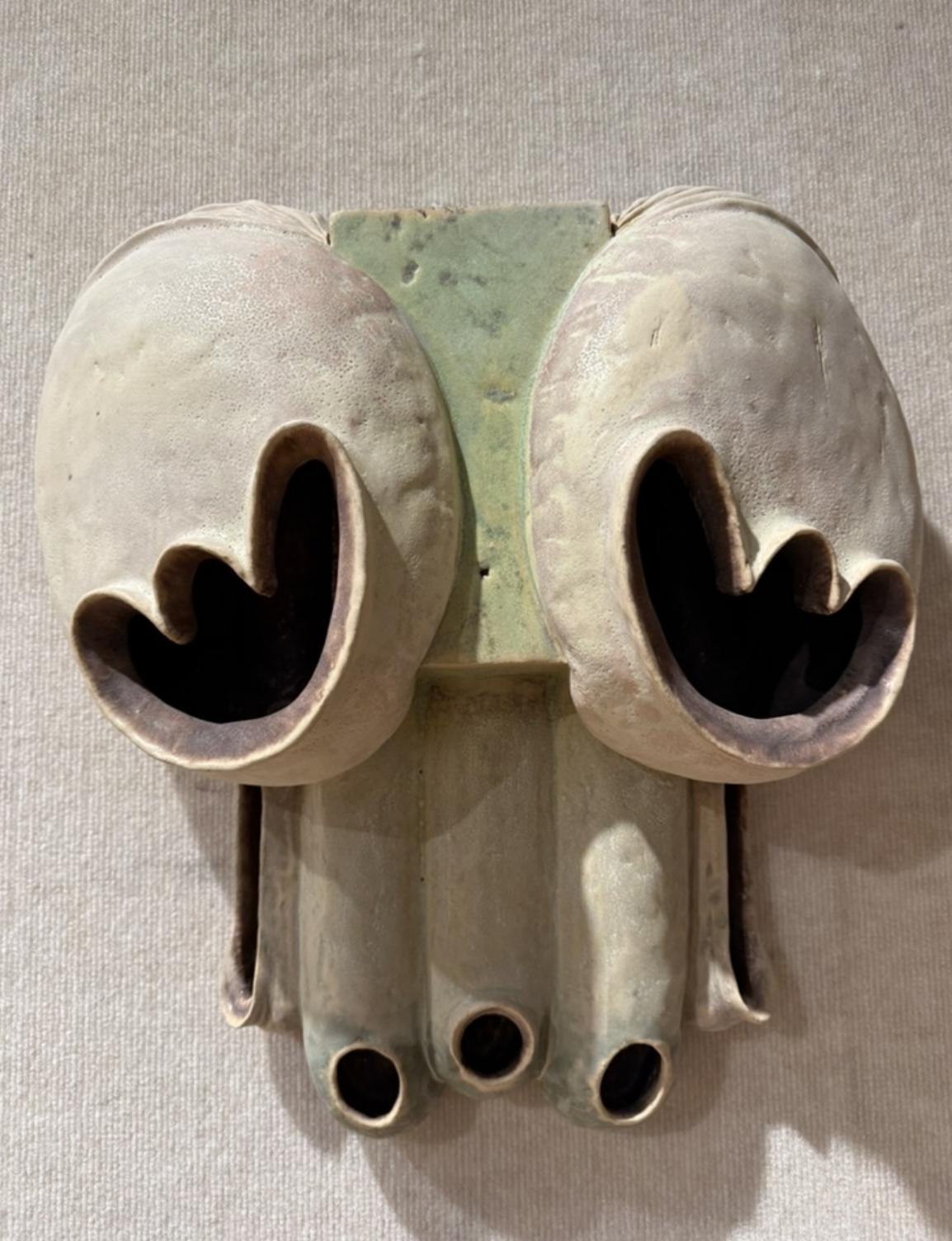
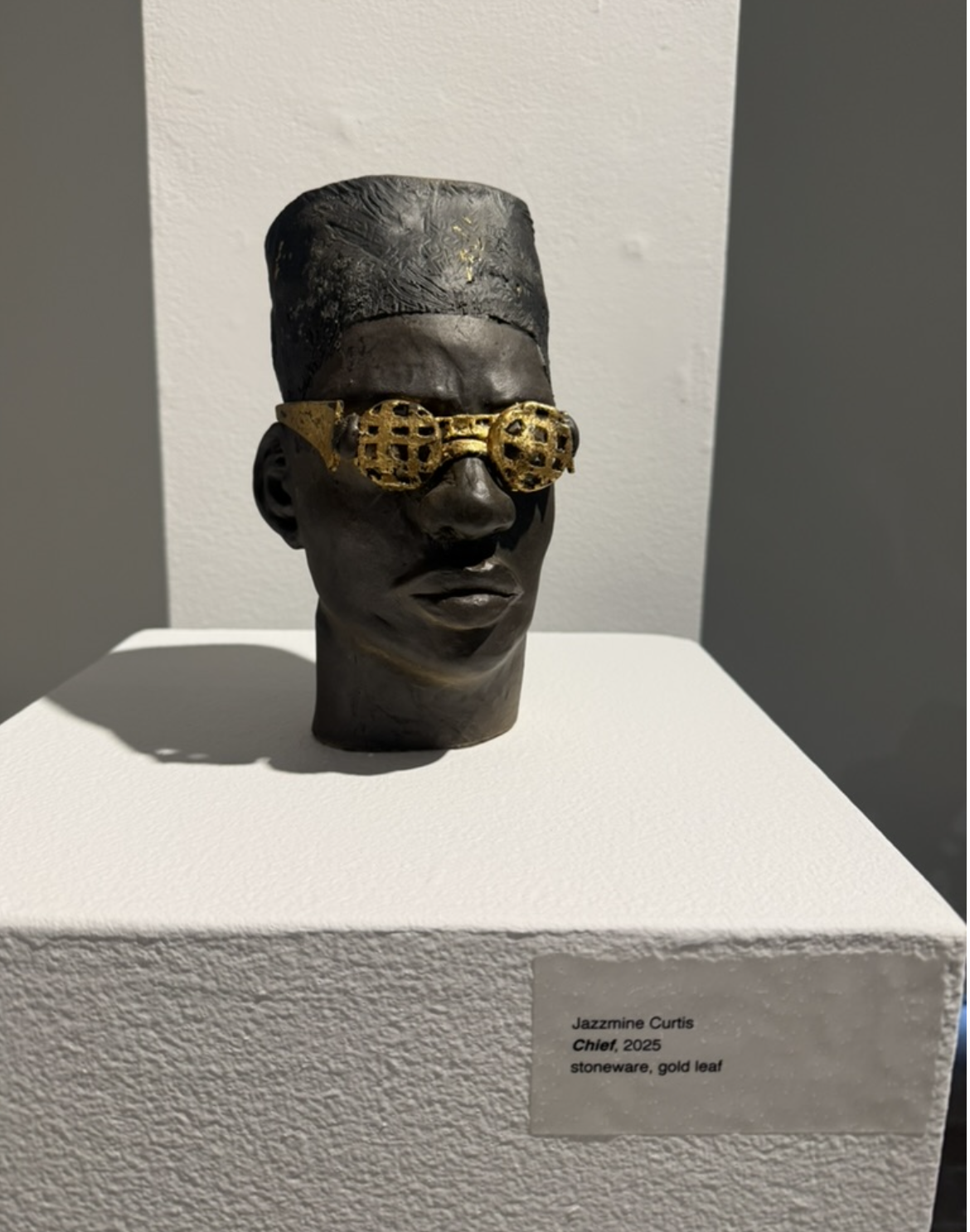
City takeover
People who attend NCECA come from an ecosystem of studios, universities, or private practice. They are normally scattered all over the country, but for a few days they get together taking over the city. It’s easy to tell a potter from a local when roaming the streets. For a lot of people, whose whole carriers are built around ceramics, it’s a yearly opportunity to connect with old friends and talk some no-harm gossip on changes in staff at academia, upcoming exhibitions, new studio openings etc. For others, it’s about sponging up knowledge, or growing their social media following.
It started rough. Not only for me.
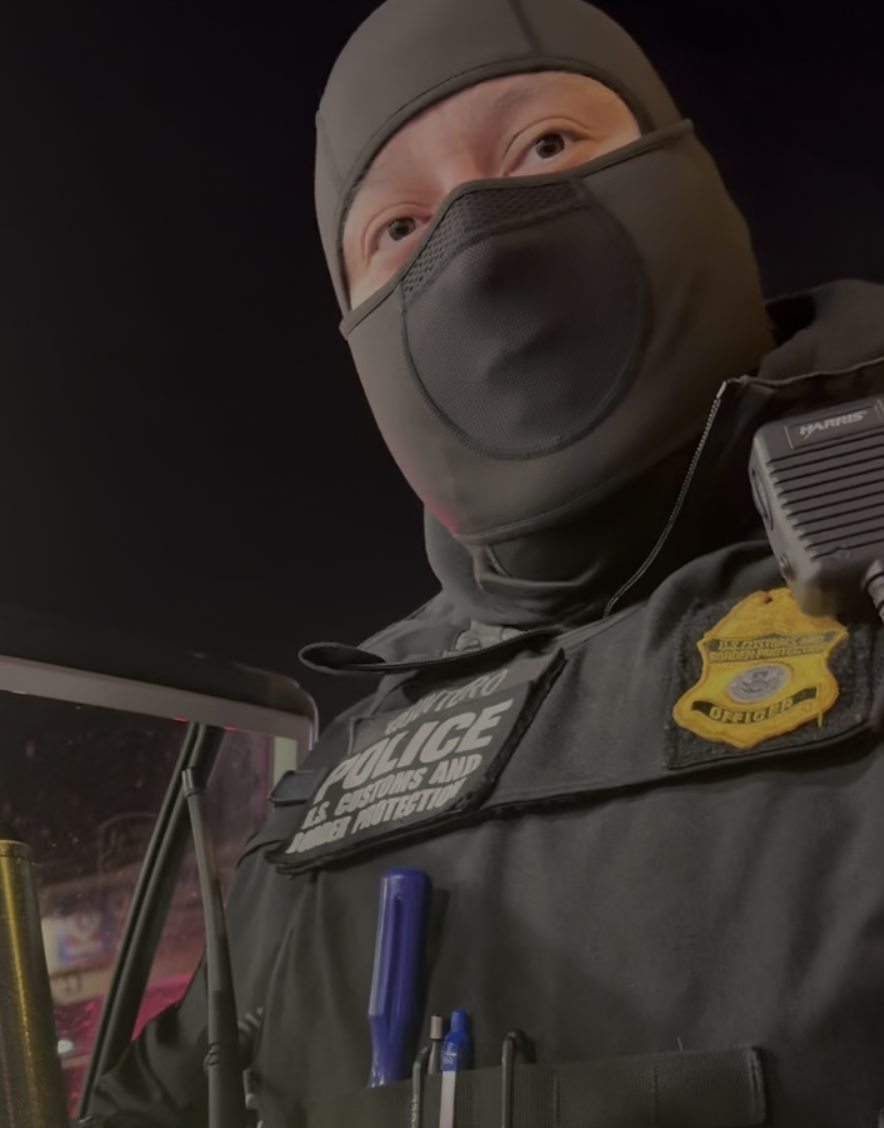
I was taken out of my Lyft on the way from the airport and held till midnight by masked border patrol agents, even though I’m a citizen and I showed them my Real ID. The Lyft driver simply took a wrong turn near our official NCECA hotel, Detroit Marriott at Renaissance Center. What we thought would be hotel’s drop off area, to our surprise turned out to be a border checkpoint in front of a tunnel to Canada. We asked to be allowed to turn around explaining the mistake, but they profiled me based on my foreign accent and detained me at a building for an hour in the middle of the night without access to my phone. It was dehumanizing and scary.
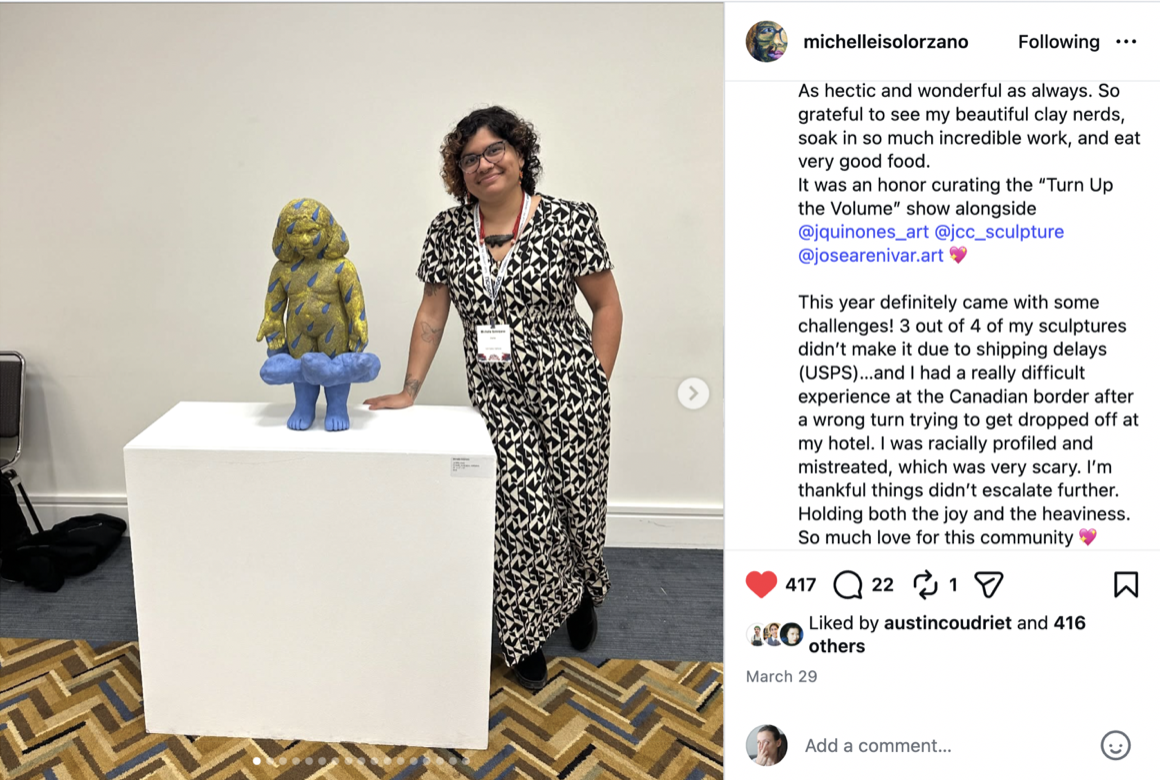
Last year’s amazing official Emerging Artist, Michelle Salazar (whose work you need to check out) had a very similar experience. The same wrong turn to the same hotel ended with her being profiled based on skin color, while white peers form the group were not subjected to a search. She felt heavy after experiencing “othering” during what is to most of us a celebratory time. My two friends, American born white women from Chicago, were allowed to turn around without even showing their IDs. There are several articles on that after Rep. Rashida Tlaib from Michigan put a spotlight on that issue. The wrong turn “while brown” or while an immigrant in Detroit makes for significant portion of long term detentions at the two city border crossings. It’s several people violently uprooted from their communities, every day! These checkpoints are like spider traps, and the spider is hungry.
Clay in times of unrest
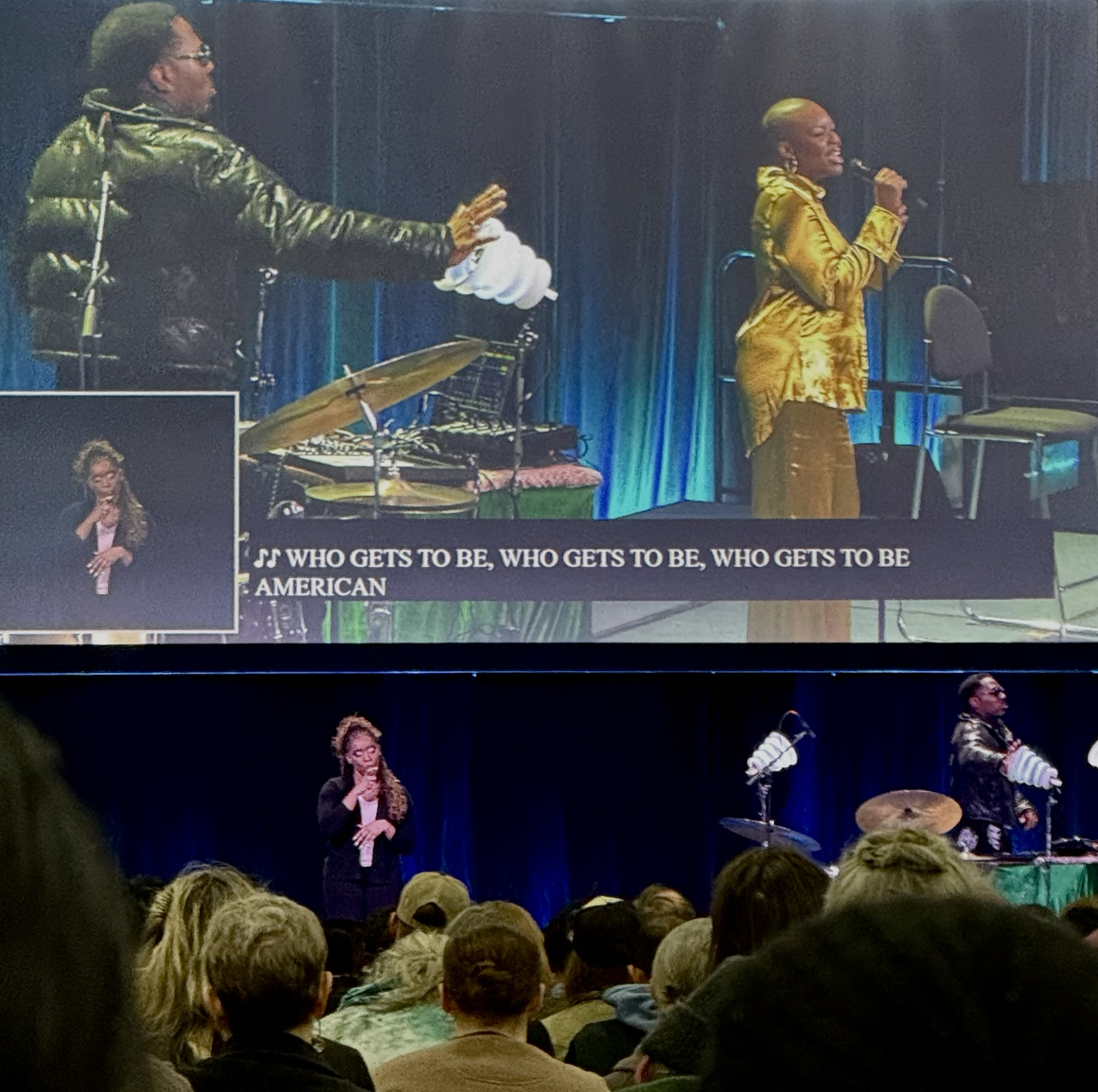
After such cortisol spiking arrival and little to no sleep that night, it was healing to be surrounded by wholesome people the rest of the trip. The opening ceremony’s keynote was literally about it: who gets to be American and how do we belong. It was a wonderful performance led by Hank Willis Thomas (conceptual artist from NY) and performed by a duo of musicians. This literally stitched my heart together.
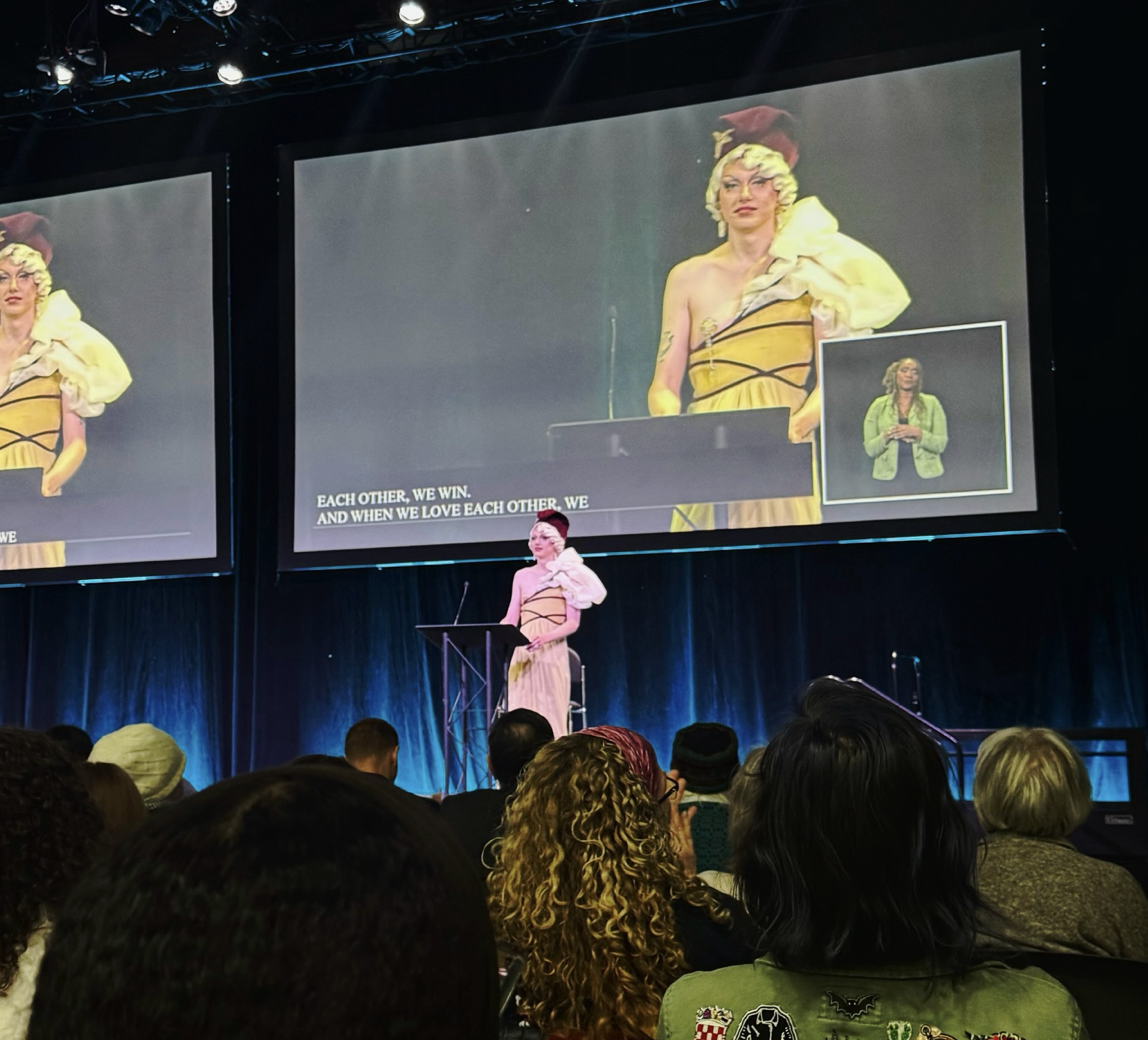
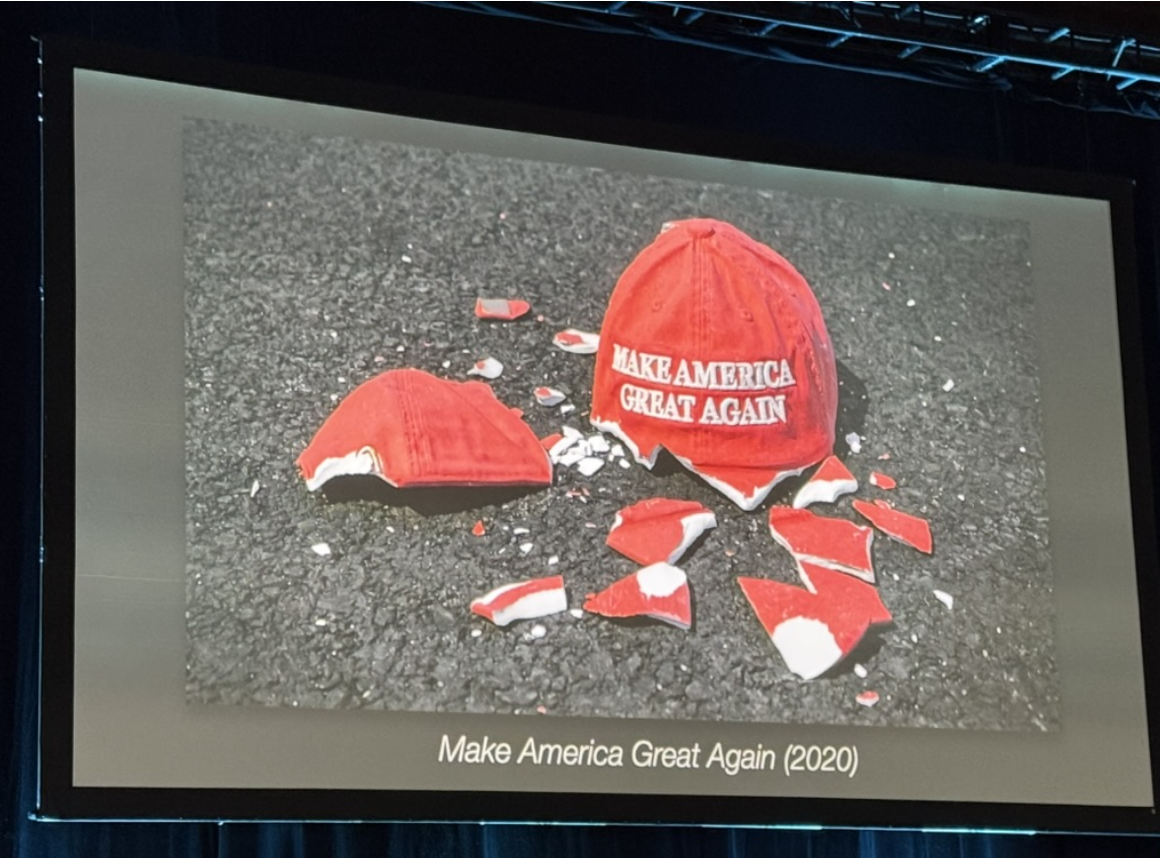
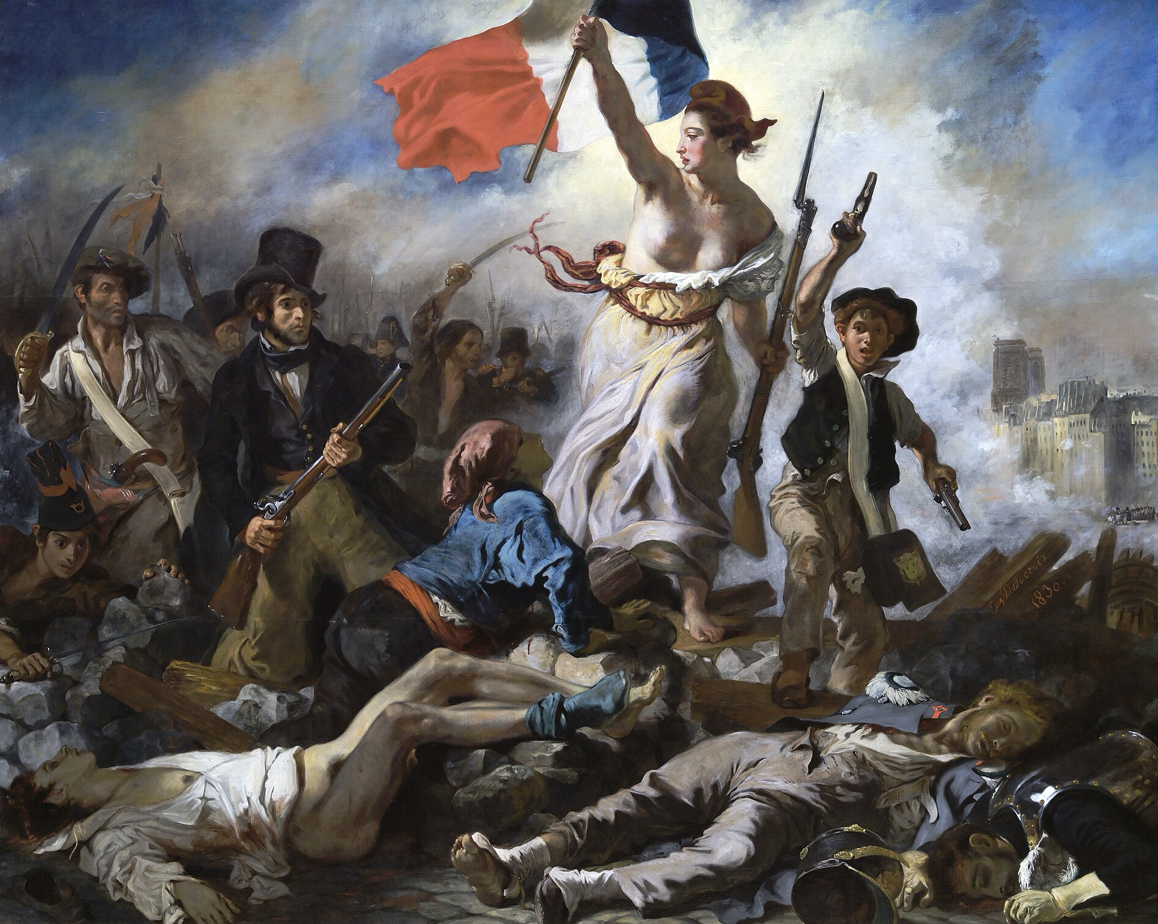
One of the officially chosen Emerging Artists, Connor Czora had their talk about politically engaged ceramic practice and fundraising for liberation. They were wearing a dress that was a direct reference to a painting by Eugène Delacroix of Liberty Leading the People, a bare-chested allegorical figure on barricades. This painting was commemorating the July Revolution of 1830 that toppled French King Charles X. I’m not sure how many fellow potters understood this reference, but even if not many, there was a wonderful performance quality to Connor’s talk and the uplifting message of engagement in direct action. They got a standing ovation. That day I saw a plane pulling a banner with a message: “No king. No war. No ICE” through Detroit’s sky.

Palestinian grief in Arab communities
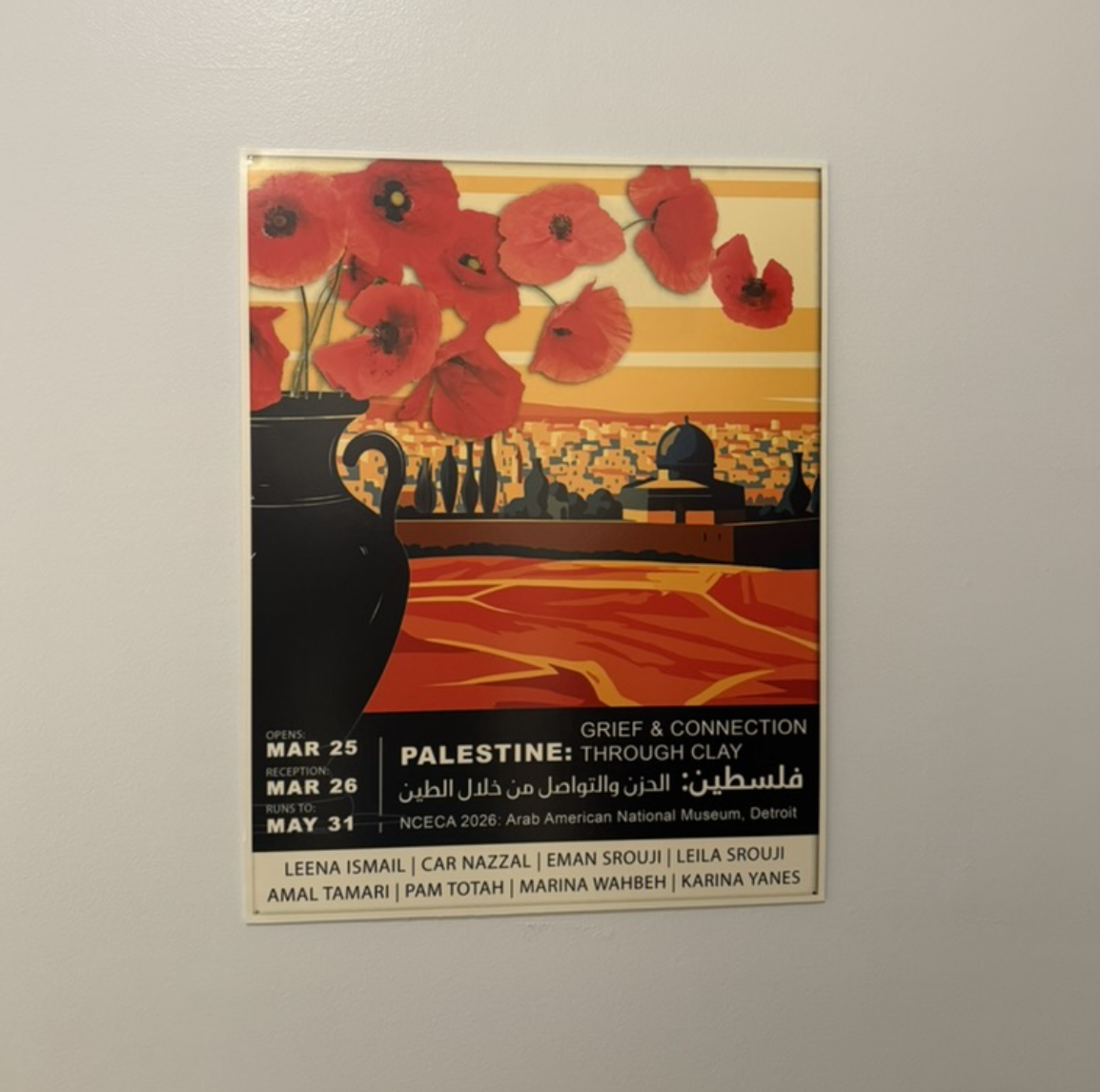
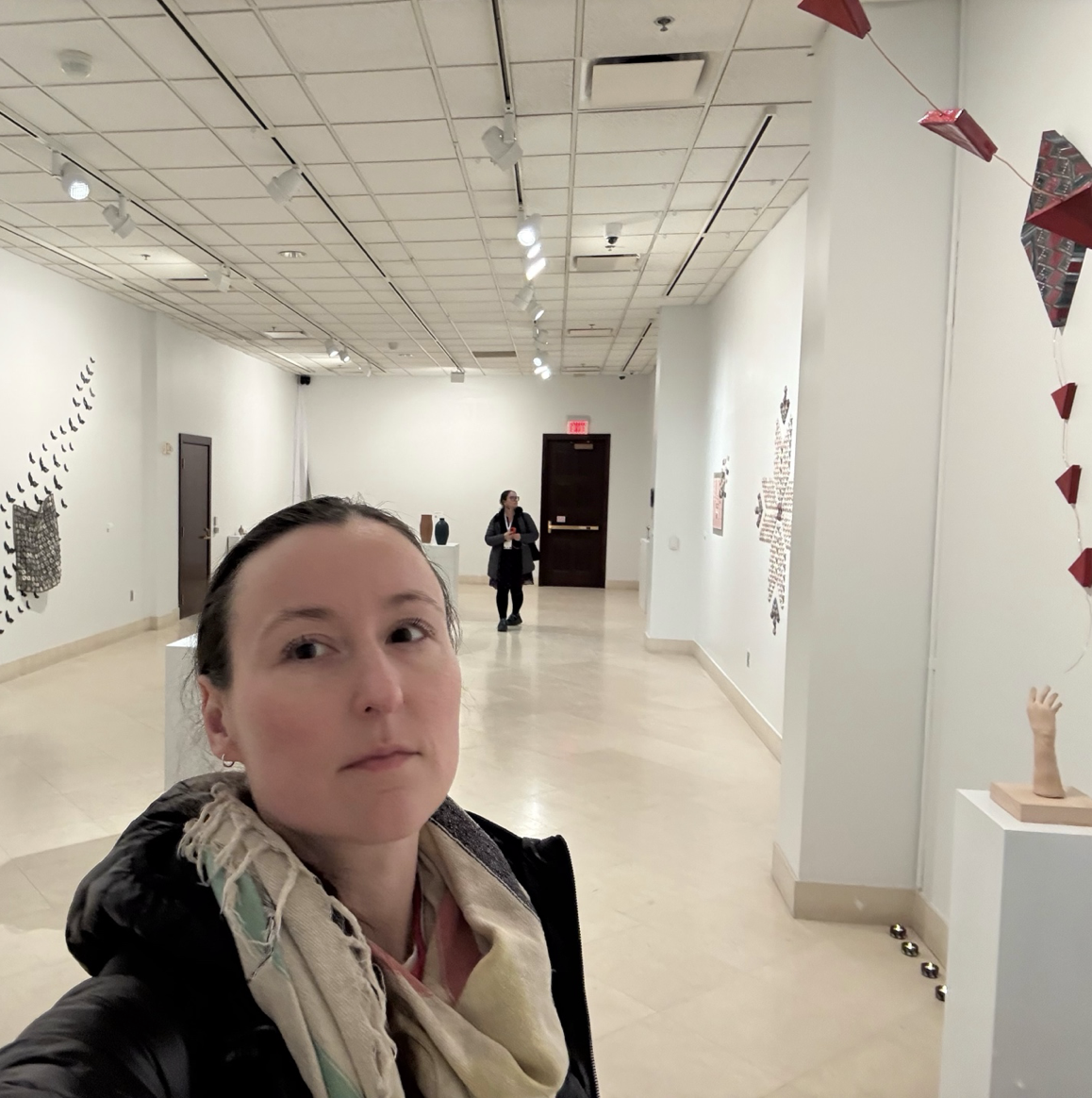
It is an extremely politically charged time and it’s hard to not have the community responding through art. One of the satellite exhibitions was on Palestine: Grief & connection through clay, taking place at the Arab American National Museum in Detroit, Dearborn area. The Detroit metro area overall has the highest concentration of Arab Americans in the country, and the museum was very worth a visit- free for NCECA participants.
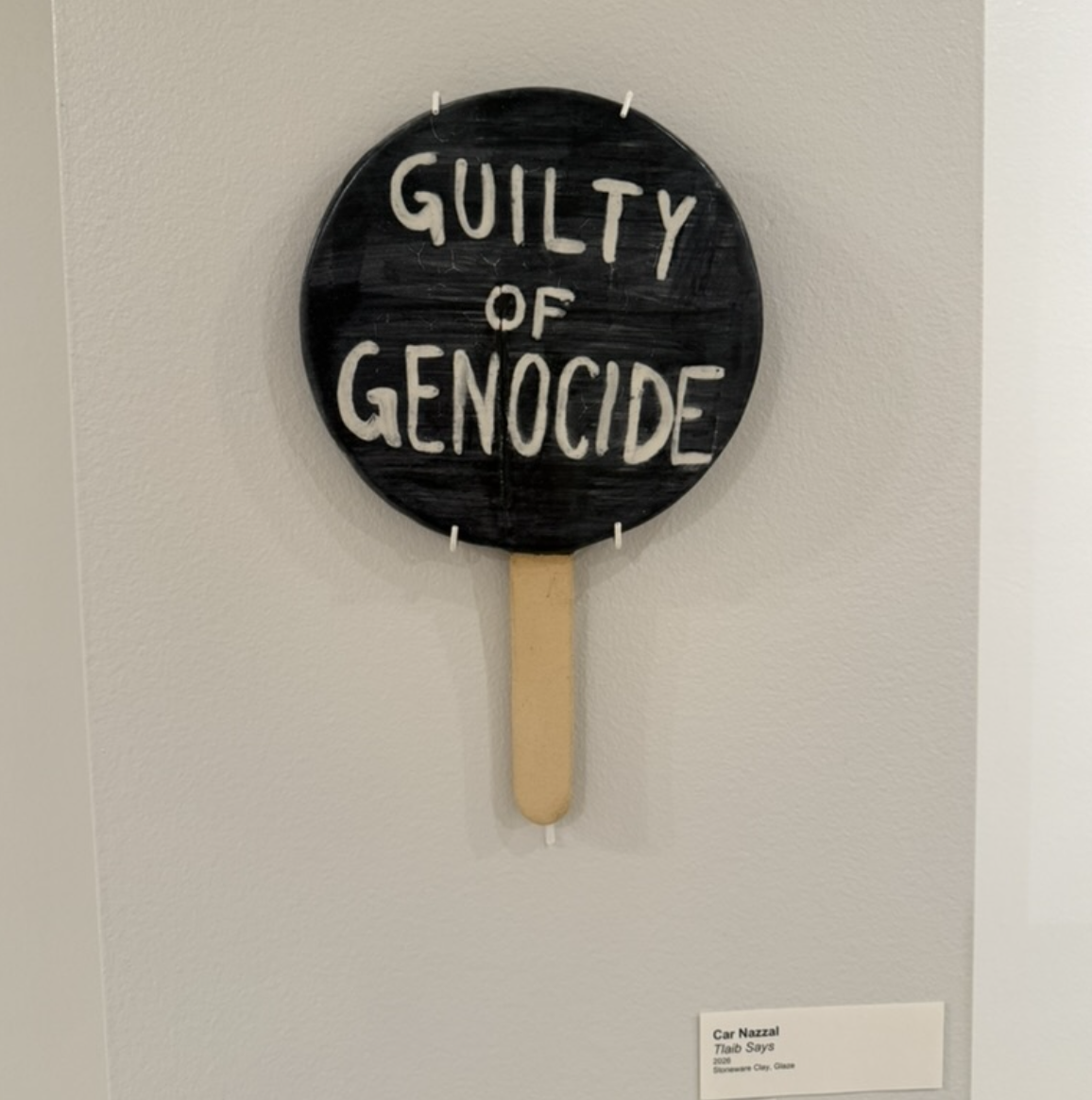
One of the works by Car Nazzal was a clay plate, modeled after the one that Rep. Rashida Tlaib was holding in her hand, during Netanyahu’s official visit at the White House. It said “Guilty of genocide”- a silent reminder of a shameful complacency of our government in ethnic cleansing.
Another work a kite that was referencing a poem of resilience by a Palestinian poet and scholar Refaat Alareer” If I Must Die, Let It Be a Tale”.

NCECA’s Emerging Artists
Both years I attended NCECA my biggest impression was seeing work of officially selected Emerging Artists. I already mentioned two of them, I wish I could write more on each one of them, but I will let you do your own research. It’s usually a cohort of 6 people. They already have some diplomas, residencies and/or teaching practice under their belt. Their work is on display in the expo hall and sometimes in satellite galleries. There are several opportunities to hear them talk about their process and how their lived experiences shaped their work. It’s usually well crafted and coherent narrative and a body of work that the NCECA directors help with polishing.
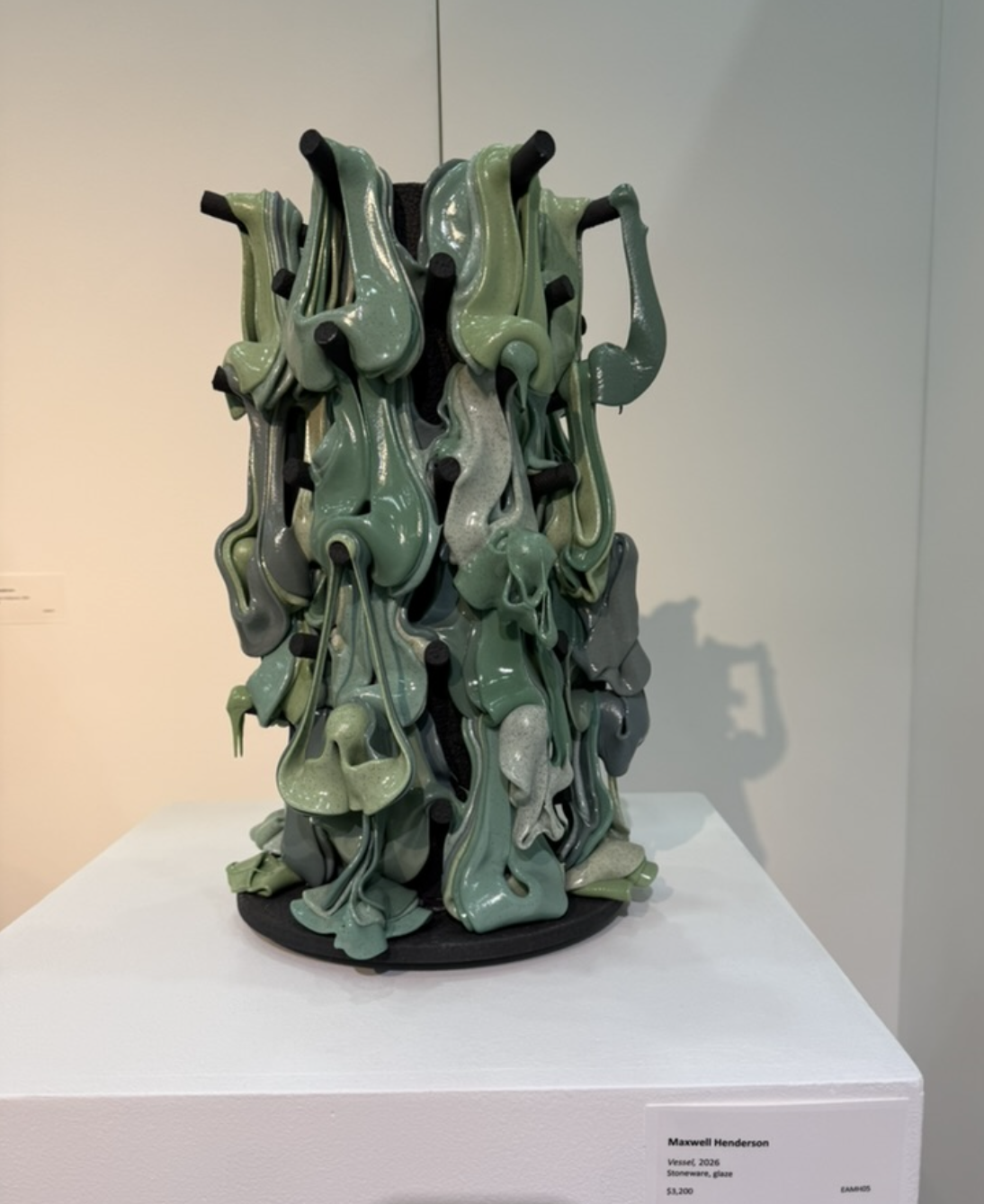
Maxwell Henderson escaped extreme poverty and was encouraged to get higher education thanks to clay, against all socio-economic odds. In his process, he is testing the limits of glaze, that is not treated as a surface but a semi-controlled material. He shared, that the more he allows himself to be surprised by the un-controlled, the more he likes his work. Maxwell makes rolls/coils out of glaze and let them melt hanging from holes or hooks of his mid fired clay cylinders in a last low firing, or makes bowls and plates from glaze propped on a rounded shape covered with Alumina Hydrate and then polishing them to shine. (I hope I relay his process correctly). He is also a very humble and positive person.
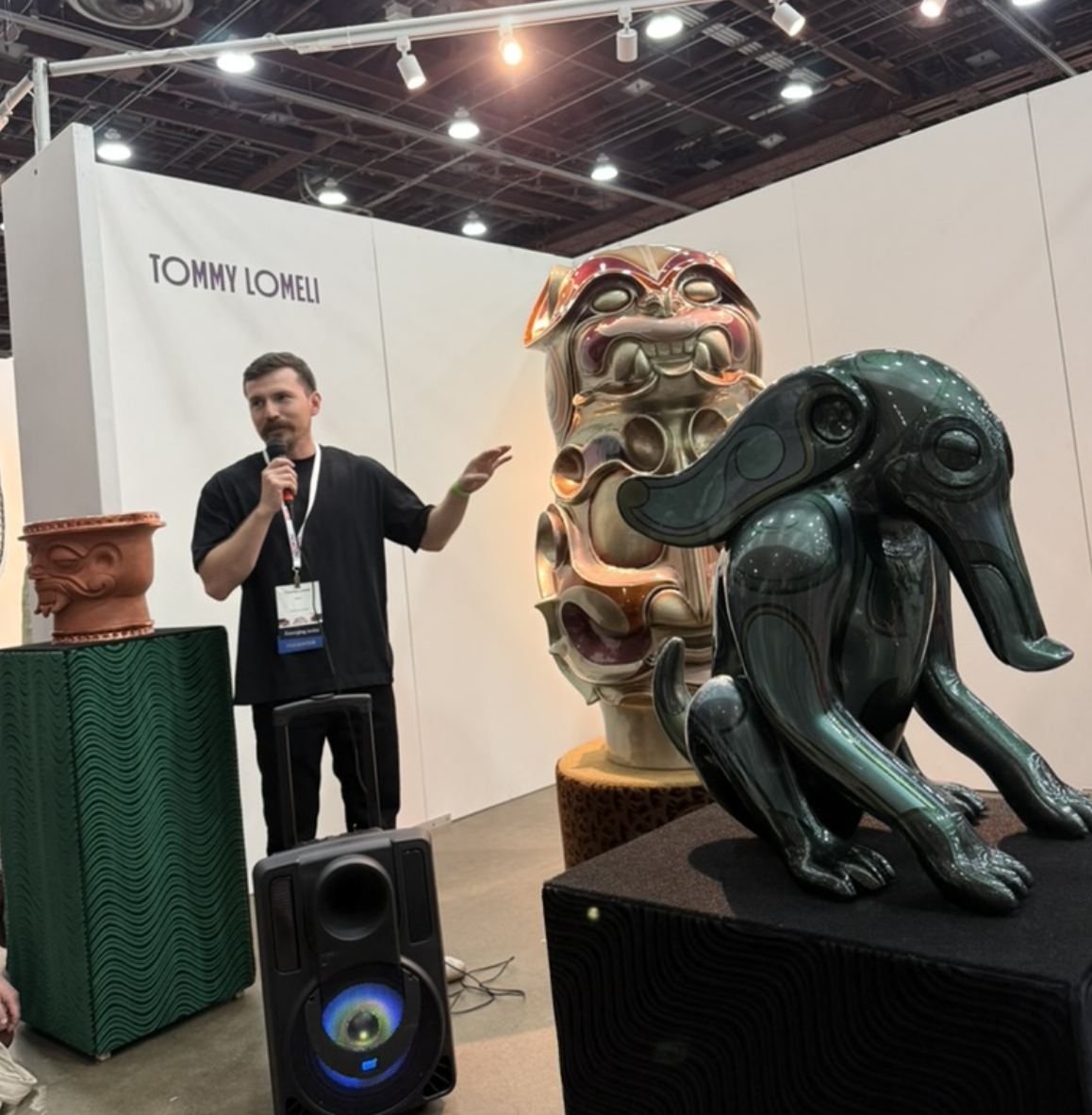
The other ones were Tommy Lomeli who made huge sculptures inspired by pre-Columbian American art and painted them with car paint, just like low riders, a symbol of pride of the working class Latinos.
Irén Tété is another one, whose work resonated with me, since our childhoods were very similar. We both lived our early years in socialist brutalist block of apartments with uniform concrete everywhere. She lived in Bulgaria and I in Warsaw. Our photos from our environments and apartments look so similar. In societies under authoritarian rule people leaned on poetry and rebellion as preservation strategy. So, both Irén and I are drawn to the tension between brutal and gentle, cold and intimate.
Women forging paths against barriers
The closing lecture was by Jenni Sorkin called: “IT Was Women Ceramicists Who Modeled The Values We Need Now”. Women worked against unfair historical barriers (patriarchy- of course). Even ideologically revolutionary Bauhaus, that was aiming to dismantle artistic elitism and was promising “absolute equality” , was limiting women to choosing “suitable” crafts and not allowing them to study architecture. So they studied ceramics and textiles. After World War II, most opportunities were being given by institutions to men returning from war, who had less experience. So women had to buit their own creative practice around their communities, working from the margins, so to speak. They were they key force behind popularizing ceramics as a medium.
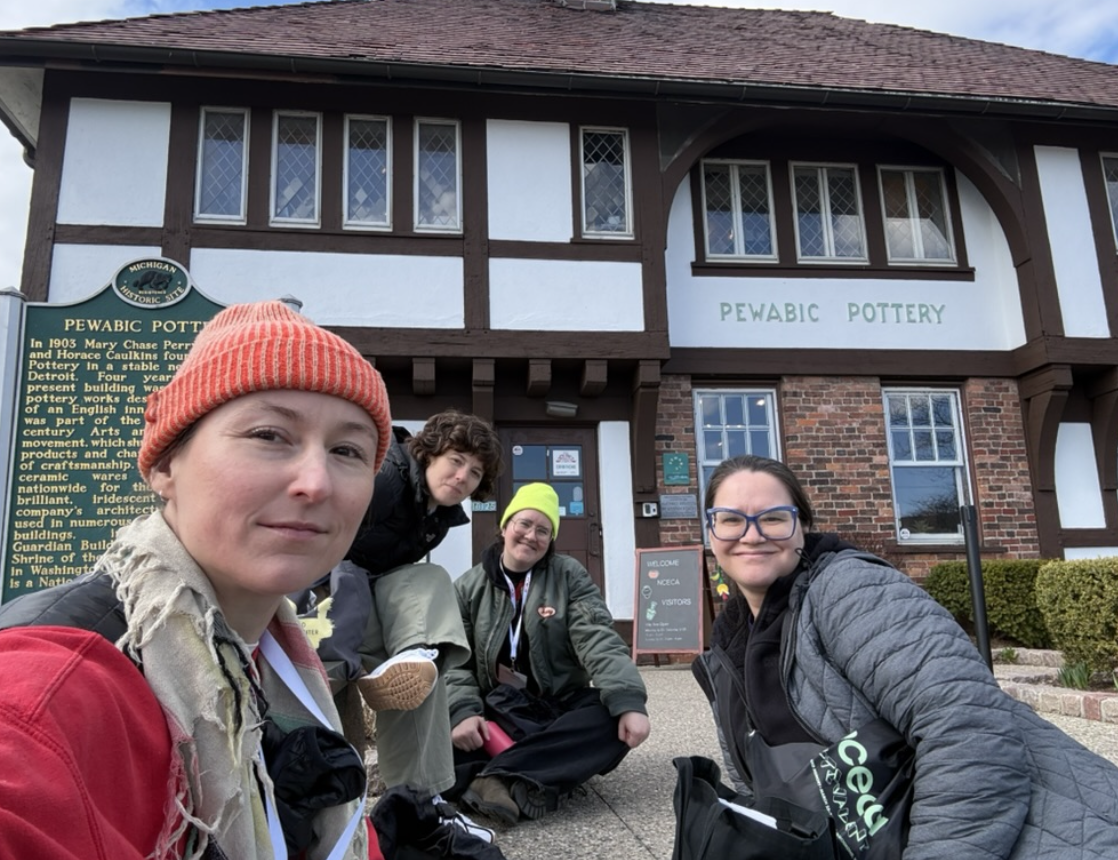
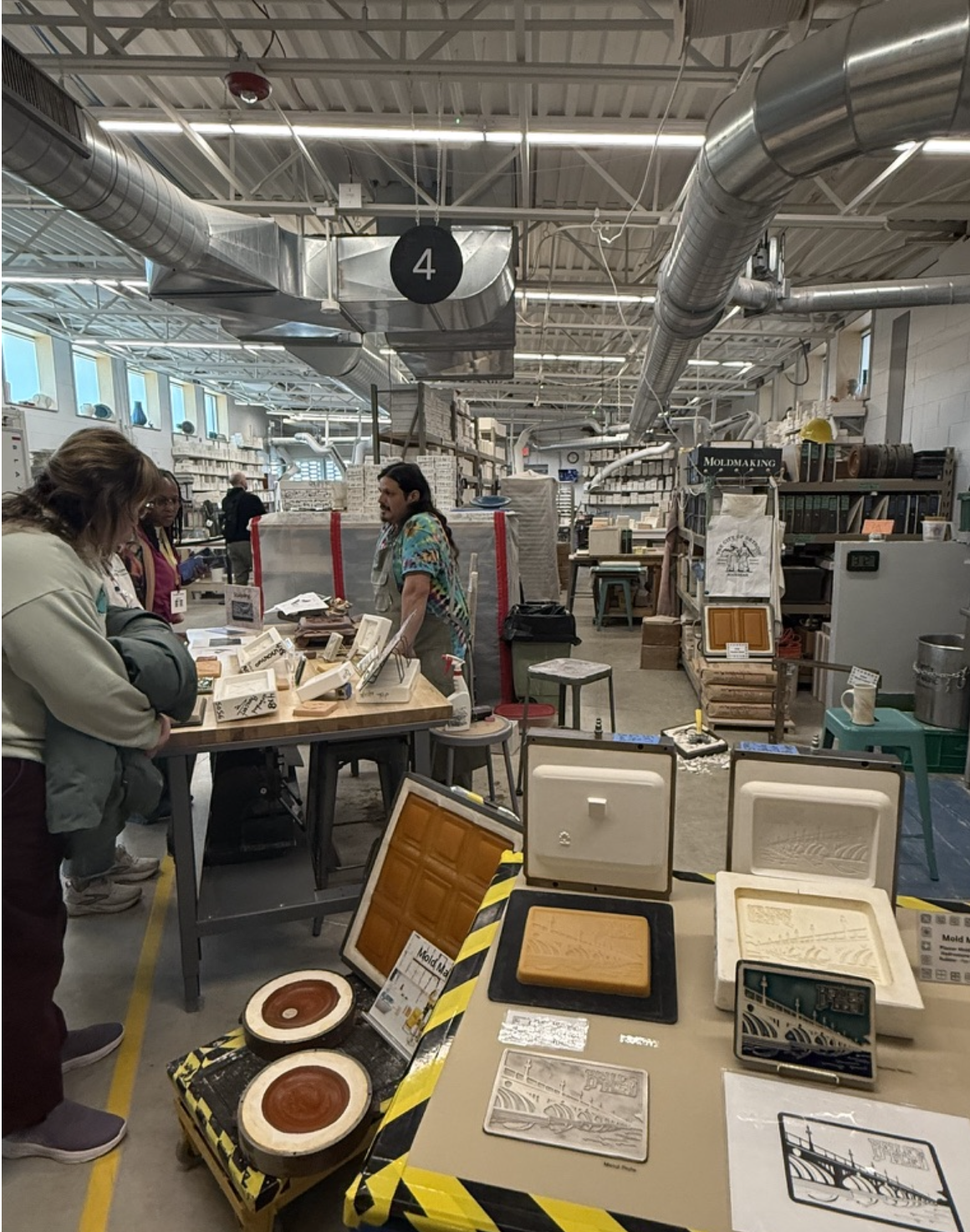
From all the amazing satellite events, the visits at Pewabic stood out to me a lot. It’s one of the oldest continually operating ceramics facilities in the US. It is knows for beautiful manufactured tiles and iridescent glazes. It was co-founded by Mary Chase Perry with dental suppliers Horace J Caulkin, a businessmen making electric kilns. China painting was a popular hobby of wealthier women and it needed a lot of rounds of firing to build up layers of pigments. First Mary was helping Horace to showing the advantage of the Revelation kilns by running classes on china painting, and later she became a partner in creating Pewabic studio. It turned out to be a big success. She did that in times when women were not allowed to vote, or legally own their own business.
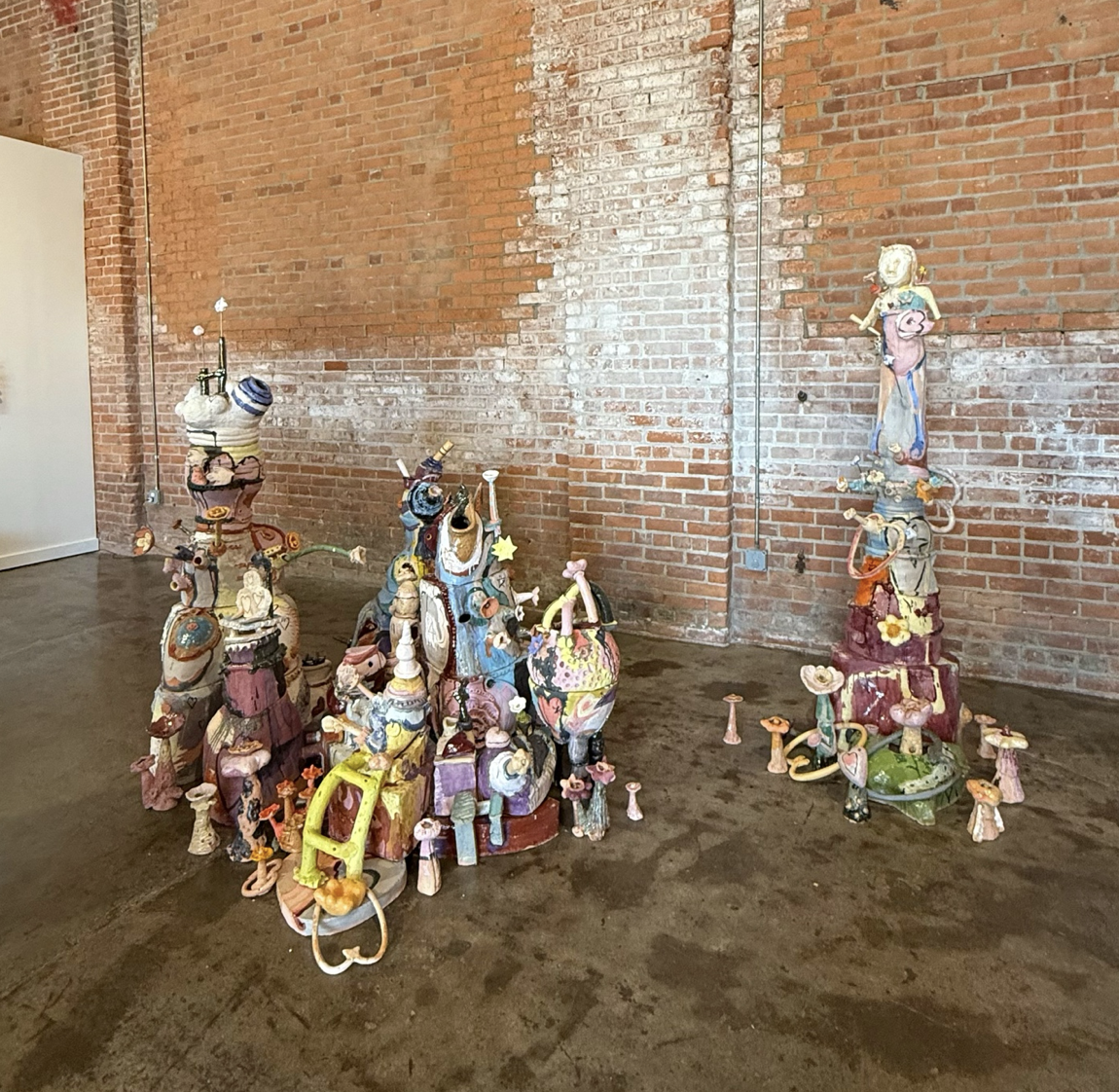
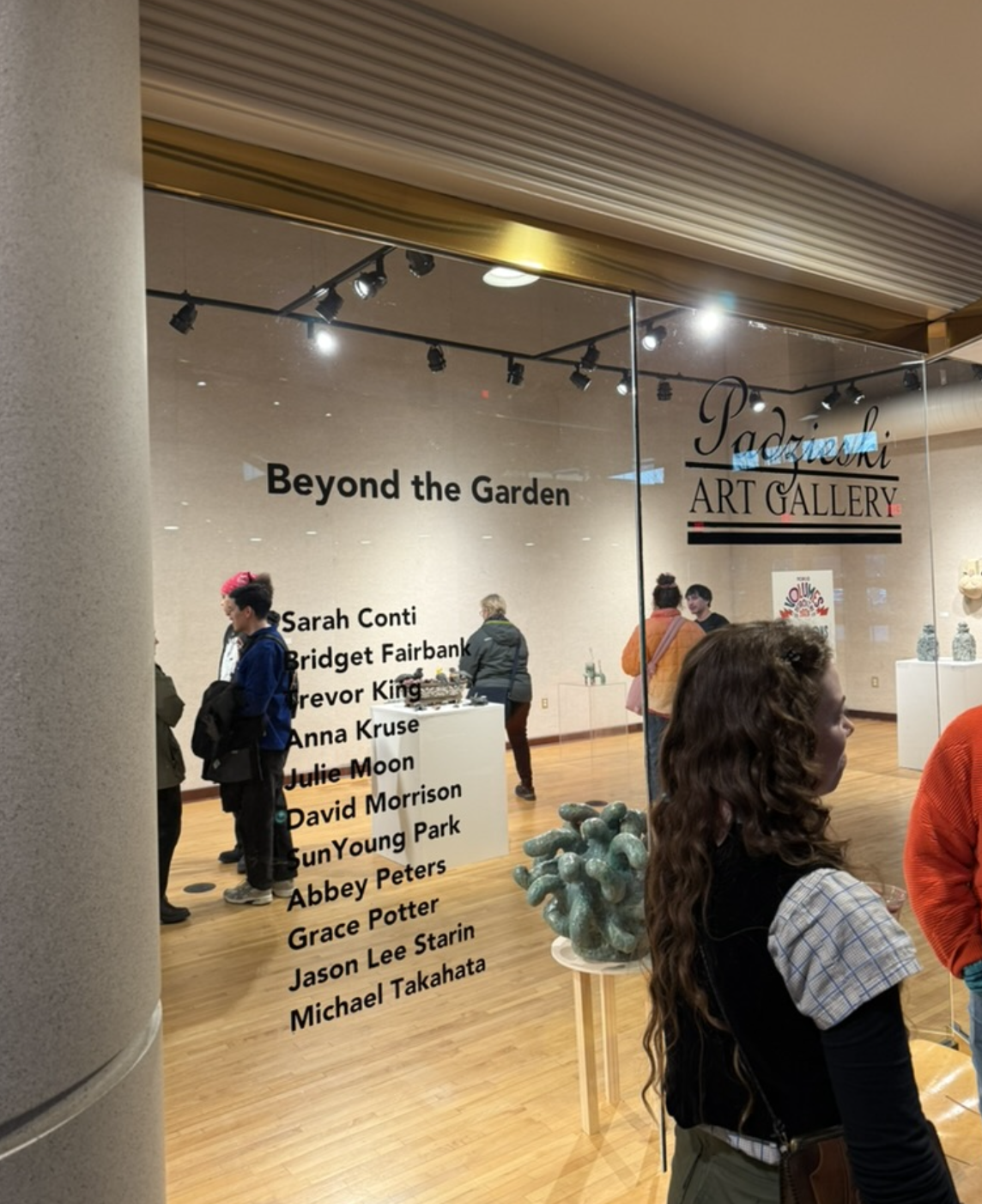
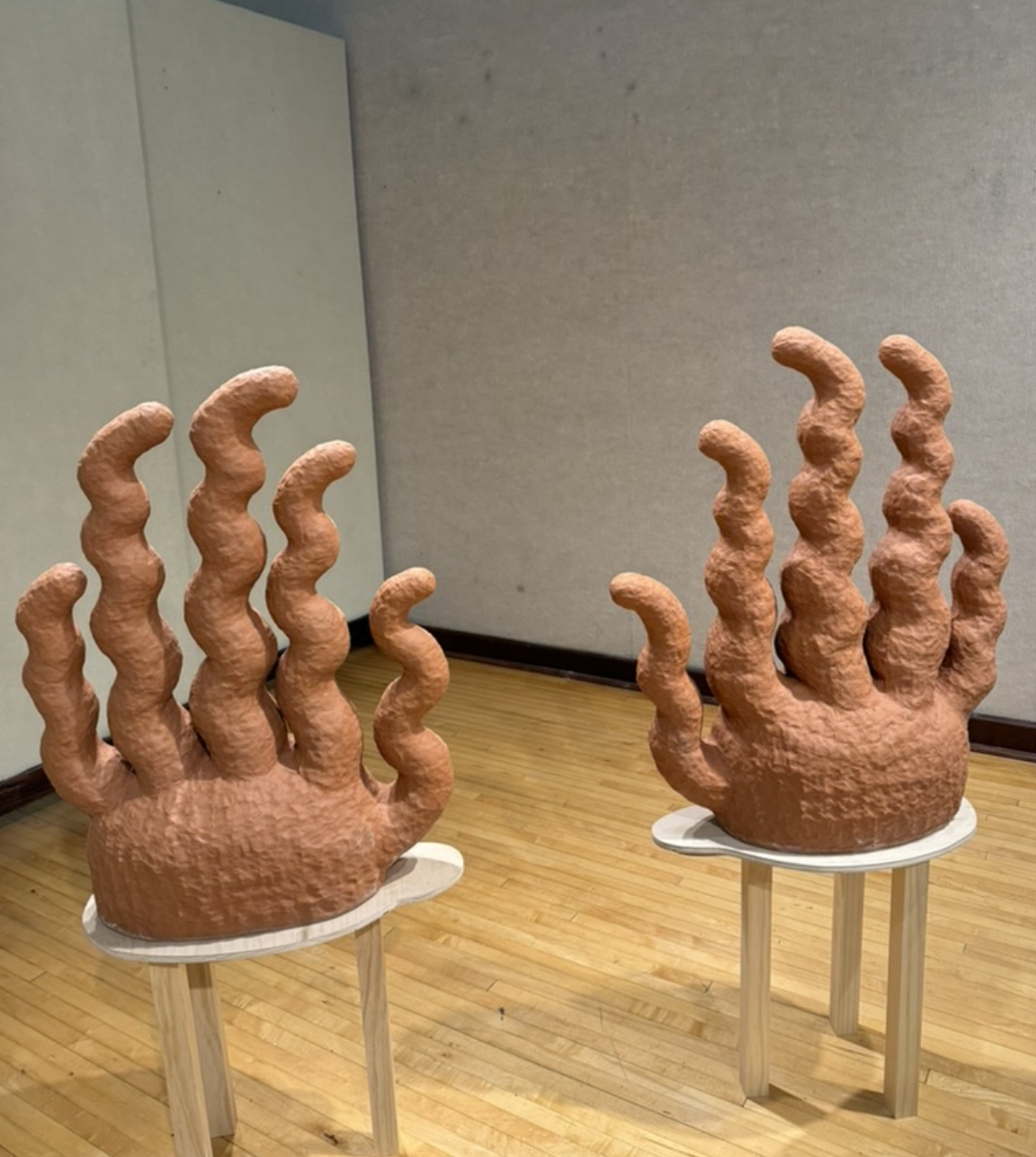
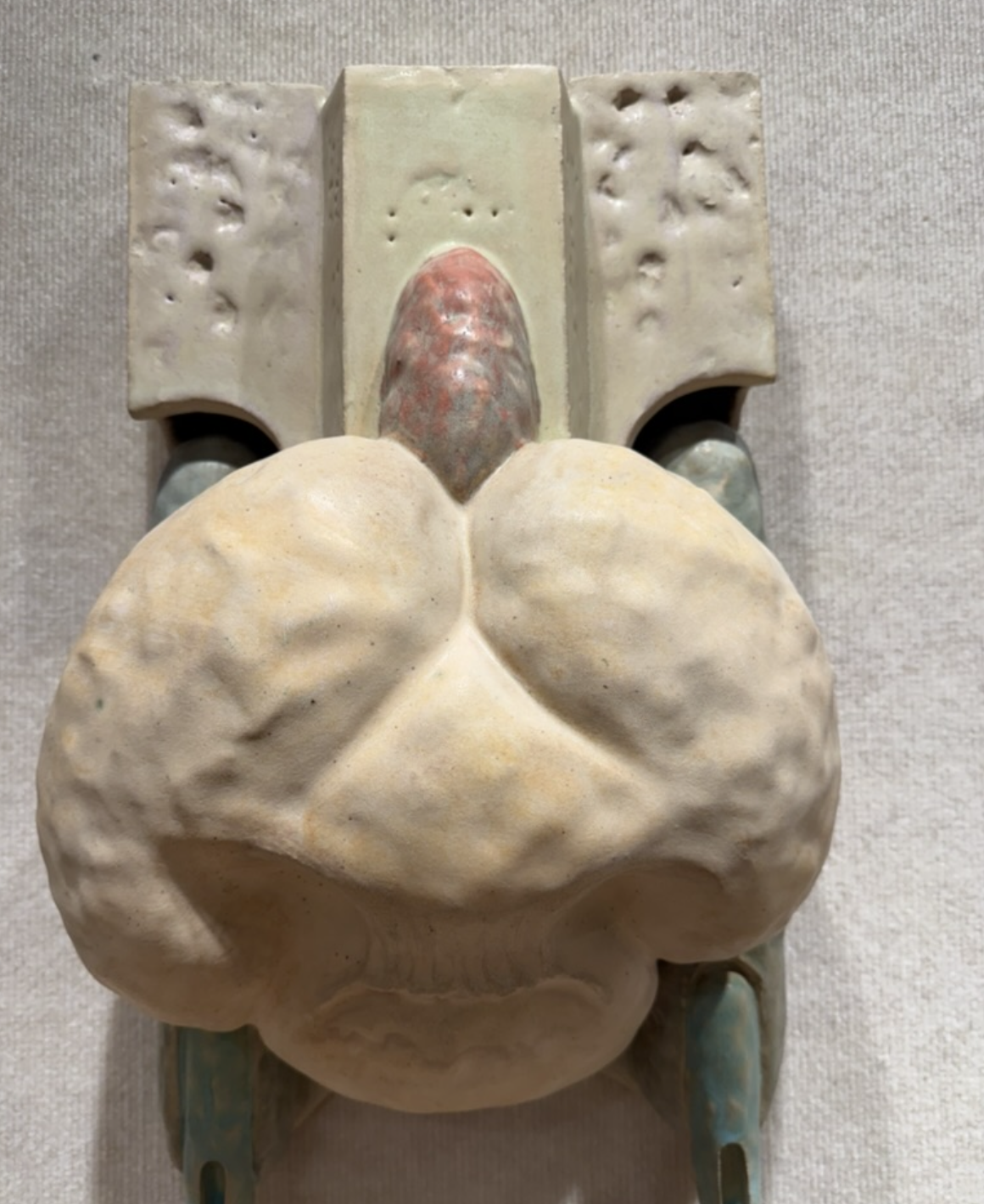
I could go on writing about all the well put together exhibitions, like the one at Wasserman project or Padzieski Gallery, and about my visit to Detroit Art institute. I feel like I want to share everything, but need to draw a line somewhere.
The social stratification of pottery community
I do sculptures from clay because my soul needs it. I’m a classically trained artist turned activist, mainly for reproductive health and animal rights. Because of that, I don’t exhibit or sell my art. As an outsider, I can observe the community during NCECA in a semi-anthropological way. There is the regular crowd of hobbyists, students and practicing artist who have not dived into clay full time. And there are two groups that indeed built their careers in ceramics. The older established academics pretty much run the official part of the show, the conference. Some been doing it longer that I’m alive. They make a living teaching in colleges and exhibiting in galleries. The ones who are established like functional potter Julia Galloway are surrounded by a crowd of people wanting to introduce themselves and share their love for her work, some in hopes for opportunity through proximity. Julia and I shared a cabin with two others at Watershed residency, but I could not see her free from crowd, to say hi. I was also celebrating my friend Kasia’s birthday during NCECA and four of us including her friend Tammie Rubin went to have a nice dinner. Tammie is an amazing figurative sculptor. She was interrupted several times by people coming up to her.
We can laugh that there are no posters with famous potters hanging above people’s beds. Siobhán McSweeney, the host of The Great Pottery Throw Down had a joke about that. But during NCECA there is some fame component visible that might not be breaking beyond the world of ceramics.
The other well-defined group are the social media natives, who make a living from their work as production potters with some other gig on the side, like owning or running community studios and doing workshops. Of course, there are plenty of intersections and one can be with one foot in academia and with the other in independent practice with a strong social media component, like most of the Emerging Artists chosen by NCECA are.
That younger group, let’s call them “rising stars”, takes part in the popups as vendors using their social media reach to hype up the crowds. Our studio’s owner Lindsay is one of them. She makes her signature knit textured cups, teapots and sock puppet sculptures. She sells out by the time when everyone gets drunk from the flowing tab and it’s time to go to sleep.
Cup as a currency
There is this custom that the vendors trade their cups with each-other. After NCECA each of them shows on social media the “haul” of collected items through barter. They tag the fellow makers, and know they will be tagged too, mutually helping with reach and growing of the fanbase online.
Some artists come prepared with batches of small trinkets made for this occasion to be given out as mementos. A lot of people donate a mug or two to NCECA for sale, which is always a big hit. Others can see the cup and learn who made it (if you leave a card inside with your info).
Take what you want from it, and it will always be plenty.
For both of my roommates it was their first NCECA and they wanted to experience as much as possible from the educational part, so we were a great fit for each-other. We would wake up early, take a 5 min walk form a hotel to the event, attend a whole day of talks to learn new things, and go to the satellite programs in late afternoon. But we would pass out around 11 pm. My other studio crew rented a house further away, since they didn’t plan on going to the official conference that much. Their focus was on galleries, satellite networking events and socializing in the evening. One of our friends met a local and explored the city’s music scene with him. We all took something different from that experience, and literally that’s the whole point and magic of NCECA. There is no right or wrong. It’s a choose your own adventure type of event, and you will get inspired no matter what.
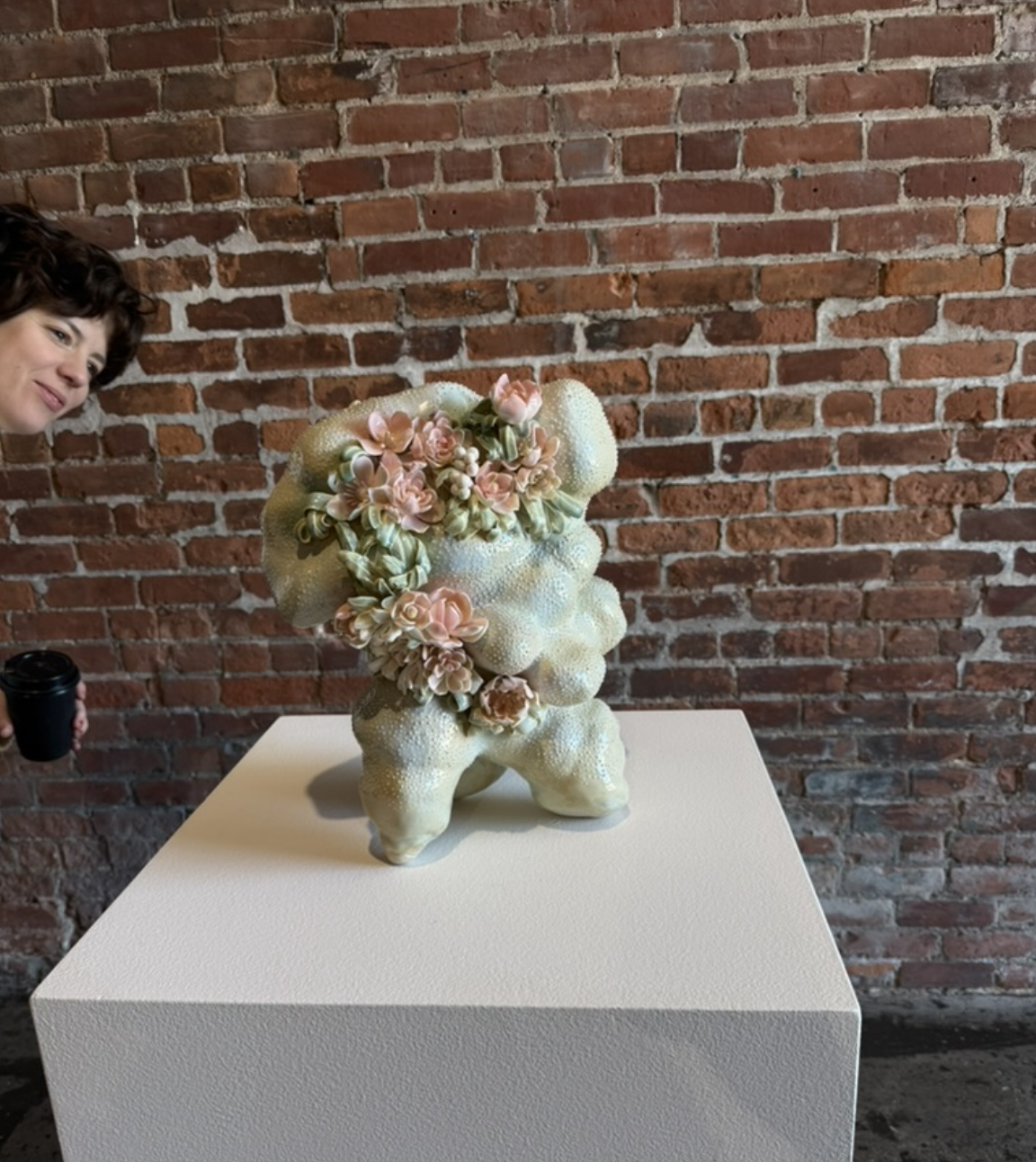
Ania Troszkiewicz (@troszkiewicz) is an artist, designer and activist. Born in authoritarian Poland, now lives in San Francisco, CA. Ceramics is her way to slow down. When not working, taking care of her 3 human children and 4 rabbits, or catching abandoned pet rabbits, she makes weird sculptures from clay. She is very Slavic.
Brick & Mortar members at NCECA 2026
Alongside Ania, several members of the Brick & Mortar Studio community attended this year’s conference:
Lindsay Landsdale (@lin.lang)
Nikki Kwong (@inducknito)
Alex Beck (@alexbeckceramics)
Isaiah Phillips (@kilnwash)
Teresa Beatty (@teresabeattystudio)
Anna Brown (@tulsi.and.friends)
Julia Guerrero (@juliathrowsthings)
Nikki Lau (@littlelaushop)
Ryan Nelson (@jjsbasement)
